Wondering what is matter smart home labelling on a bulb or plug box? Matter is a shared standard that lets devices from different makers work together, and Thread is a low-power network some Matter devices use.
The practical rule is that Matter helps most when you mix brands, while Thread only matters when a device is built on it. Readers starting from scratch can pair this with the guide on how to set up a smart home.
Matter as the shared language
Matter is an industry-standard connectivity protocol that lets smart devices from different manufacturers work together. It exists to fix a familiar problem: devices from different brands often cannot cooperate, and Matter aims to solve this with a single standard that all devices can use.
Matter is built on the Internet Protocol (IP), so it describes how devices and controllers talk, while Thread, Wi-Fi or Ethernet carry the traffic. That split is why Matter is best understood as the application layer and Thread as one of the network layers beneath it.
The standard began in December 2019 as Project Connected Home over IP (CHIP), led by the Zigbee Alliance, which is now the Connectivity Standards Alliance (CSA). According to Sirin Software’s overview, over 400 companies belong to the CSA and 280 are directly involved in Matter development. The CSA itself, established in 2002, develops universal open standards.
| Piece | What it is | Typical devices | Planning use |
|---|---|---|---|
| Matter | Shared standard built on IP, so devices from different makers interoperate | Lighting, locks, thermostats, sensors and more | Look for it on the box when you mix brands |
| Thread | Low-power mesh network that Matter can run over | Sensors and light bulbs | Needs a border router to reach the rest of the home network |
| Wi-Fi or Ethernet | Existing home network that Matter can also use | Higher-bandwidth devices such as streaming media players | Nothing extra to buy if the router already covers the room |
These roles follow Sirin Software’s explanation of how Matter uses each network type.
Common misunderstandings about Matter
Most confusion comes from treating Matter as a product rather than a standard. These are the mistakes that most often lead to wrong purchases.
- “Matter replaces my Wi-Fi.” It does not. Matter uses Wi-Fi or Ethernet for devices that need more bandwidth, so the router you already have stays central.
- “Matter needs the cloud.” Matter-enabled devices can operate independently of the internet, with faster responses and reliability during outages. Cloud connectivity adds remote access and enhanced functions on top.
- “Matter is another ecosystem to pick.” It is a common layer, not a rival to the voice assistants. Matter-certified products are meant to be easier for customers to set up and control. The choice of control app is separate and is compared in alexa vs google home vs apple homekit.
- “Matter and Zigbee are unrelated rivals.” The body behind Matter is the renamed Zigbee Alliance. Zigbee remains a separate radio technology with its own trade-offs, set out in zigbee vs z-wave vs wifi.
Thread: the network layer for small devices
Thread is a mesh network that suits low-power, low-bandwidth devices. Matter uses Thread for devices like sensors and light bulbs, and the mesh approach removes the need for a separate hub or bridge to reach the internet. Many CSA member companies also belong to the Thread Group, which explains why the two technologies are promoted together.
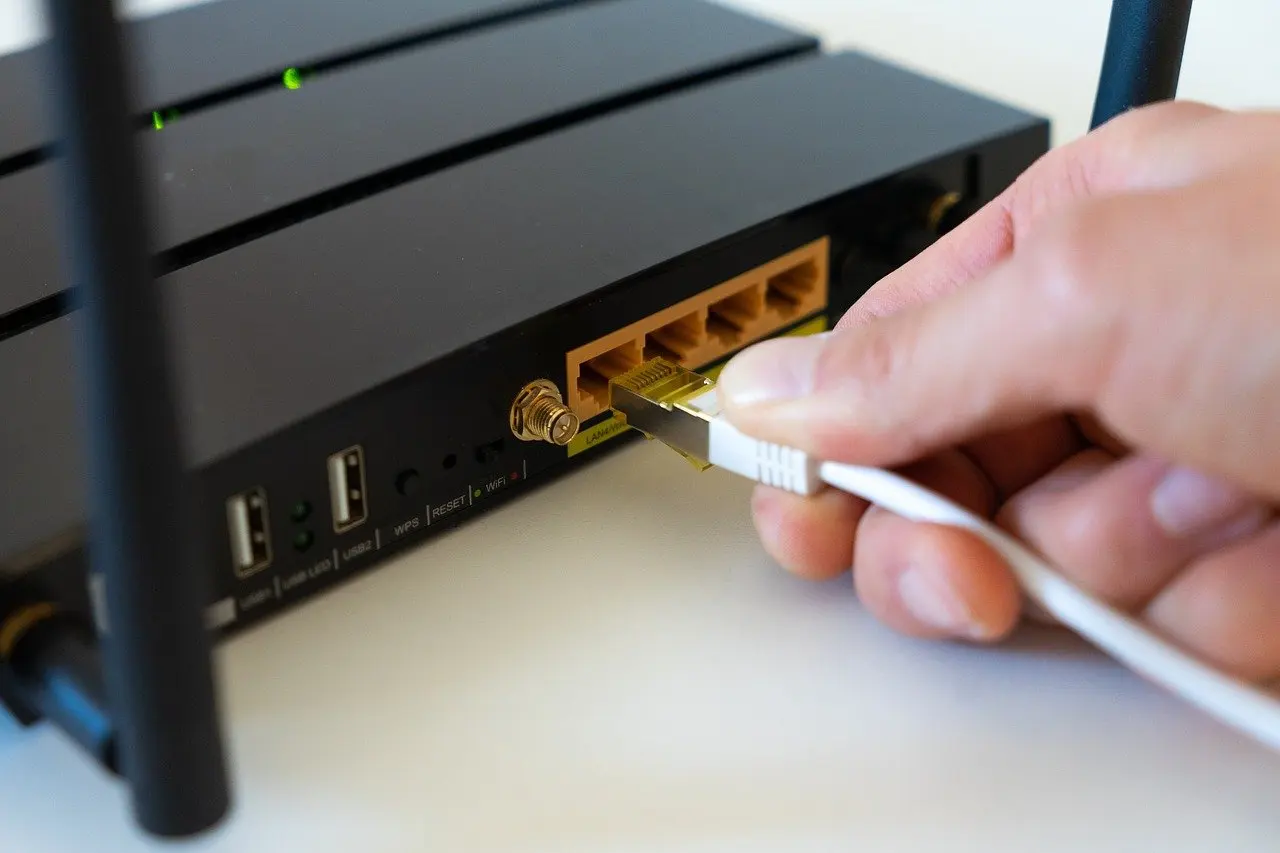
The practical meaning is simple. A small battery sensor or a bulb in a far room can relay traffic through other mains-powered Thread devices instead of needing strong Wi-Fi. That makes Thread a good fit where you want many small devices spread across a home. It adds little if your devices are all plugs and speakers close to the router.

Thread border routers explained
A Thread border router is a mains-powered device that bridges a Thread network and a Wi-Fi network. Mains-powered Thread devices can act as border routers, which is how Thread devices reach your phone, your controller and the internet.
A border router does not have to be a dedicated box. The same source says it can be built into smart plugs, speakers, fridges, TVs, thermostats and Wi-Fi access points. Before buying anything, check whether a speaker, TV or access point you already own is listed by its maker as a Thread border router.
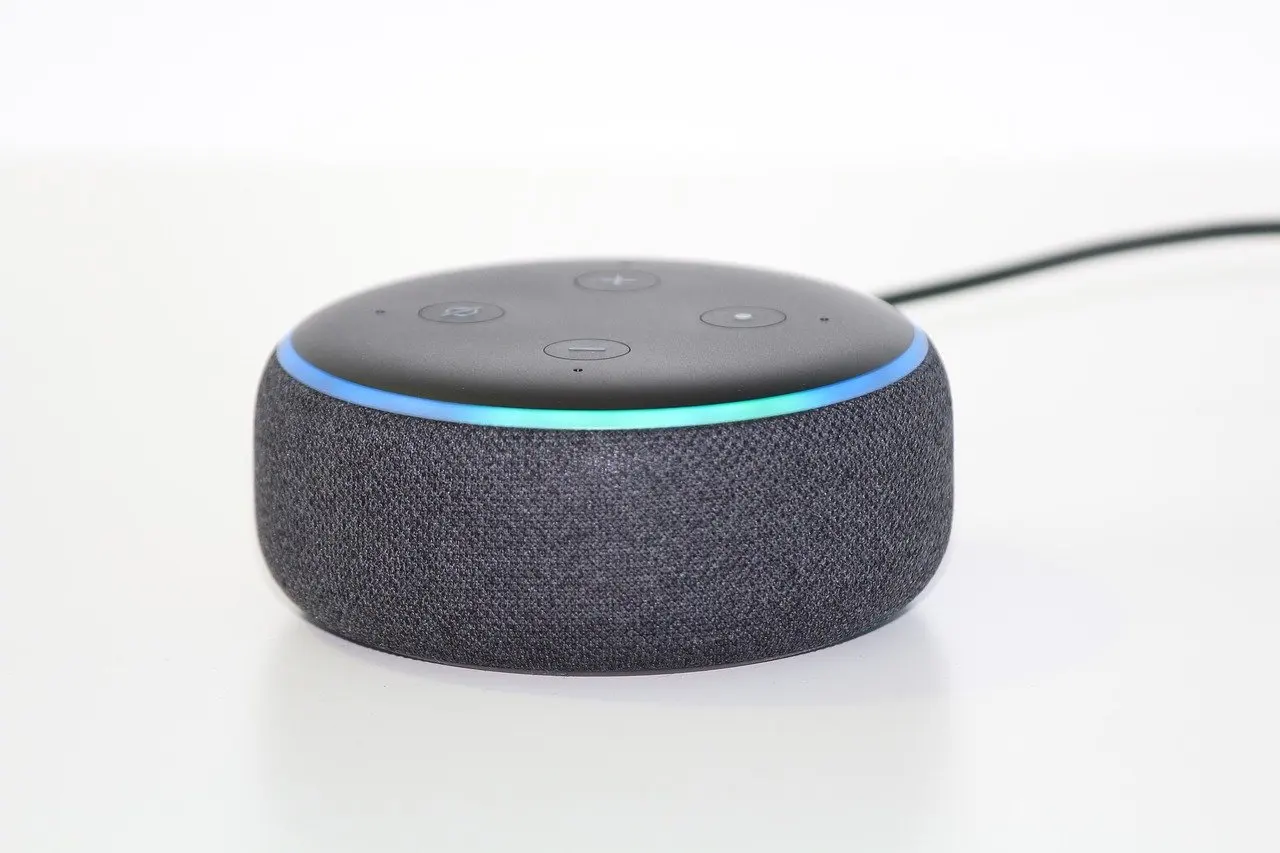
Border routers also cooperate. Adding more of them improves the range and reliability of the network, so a second compatible device in a distant room is a sensible fix for patchy Thread coverage.
Matter versions and device categories
Matter has grown through numbered releases, so the category you want may depend on the version a product supports.
| Version | Release | What changed | Planning use |
|---|---|---|---|
| 1.0 | October 2022 | Support for lighting, door locks, thermostats and more | Covers core everyday devices |
| 1.1 | May 2023 | Bug fixes and enhancements, no new device categories | No new device types to wait for |
| 1.2 | October 2023 | Nine new device types, including refrigerators, dishwashers and air quality sensors | Relevant if you want appliances or air monitoring |
The dates and scope come from Sirin Software’s version summary.
At launch, the CSA listed lighting and electrical, HVAC controls, window coverings and shades, safety and security sensors, door locks, video players and protocol bridges. In the month after Matter 1.0 appeared, the same release reports 4,400 downloads of the specification and 190 certified or queued products. The device library groups types into lighting, smart plugs and other actuators, switches, sensors, closures, HVAC, media and generic types. A bulb, plug or lock is therefore a safe Matter purchase, while newer appliance categories deserve a check of the product’s stated support.
Do you need Matter-compatible devices today?
You need Matter only if it solves a problem you have. The CSA cites research that 73 percent of US households that own or plan to buy a smart home device say interoperability among products is important. If you already run one brand across every device and add nothing new, there is no urgency.
Work through these checks before buying.
- Look at your mix. If you combine brands or may switch control apps, choose Matter-labelled products for new purchases.
- Match the device to the network. Choose Thread-based products for battery sensors and spread-out small devices, and Wi-Fi products for anything that streams.
- Confirm a border router exists. Thread devices need a compatible speaker, TV, access point or similar device on your network.
- Check the category. Make sure the device type you want is covered by the Matter version the product supports.
Frequently asked questions
| Question | Answer |
|---|---|
| Where can I find a list of Matter-compatible devices? | Look for products described as Matter-certified, since certification is run through the Connectivity Standards Alliance. The maker’s own support page for a product is the practical place to confirm which device category and control apps it works with. |
| Does every Matter device need a Thread border router? | No. Thread is used for low-power devices such as sensors and bulbs, while Matter devices that need more bandwidth use Wi-Fi or Ethernet. Only Thread-based devices depend on a border router. |
| Who tests Matter products? | The CSA reported eight authorized test labs in 16 locations across nine countries in November 2022 as part of the certification programme. |