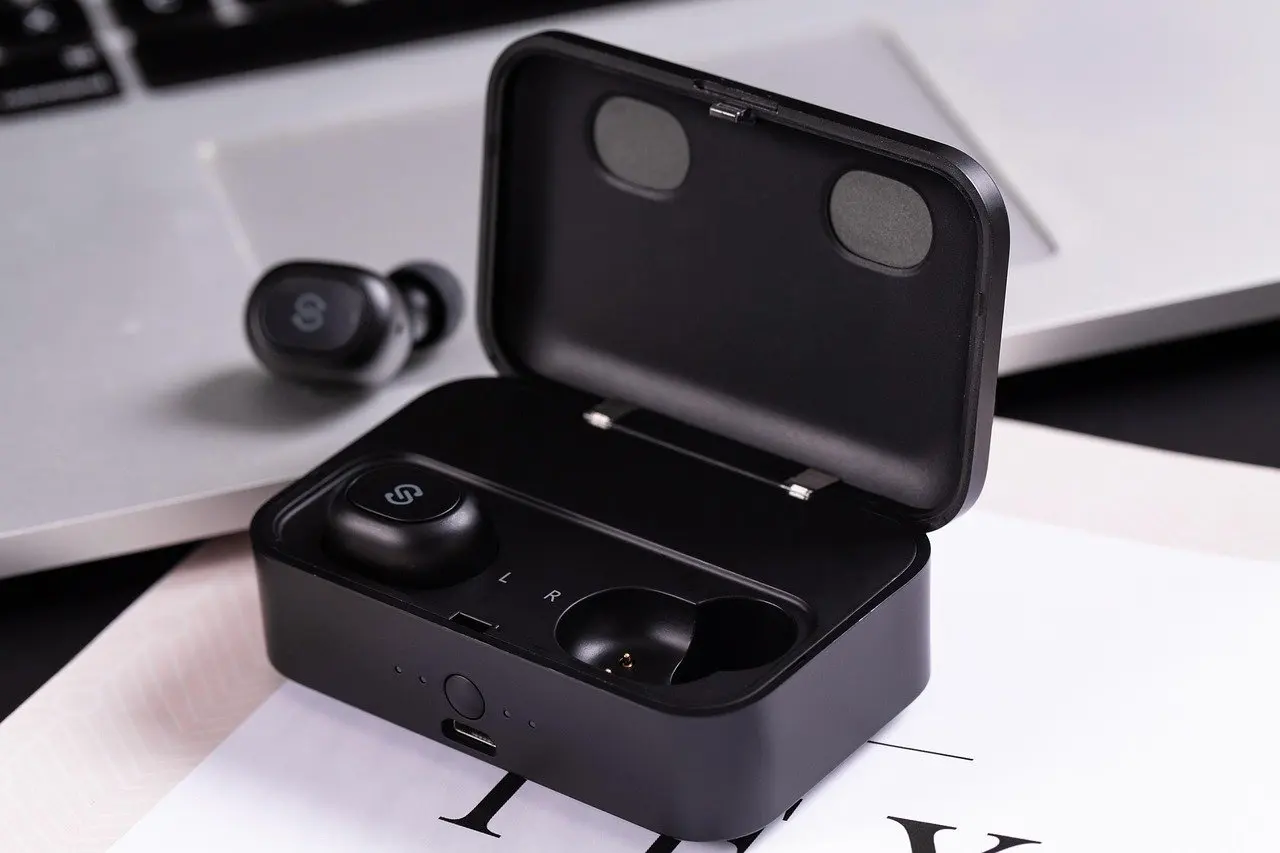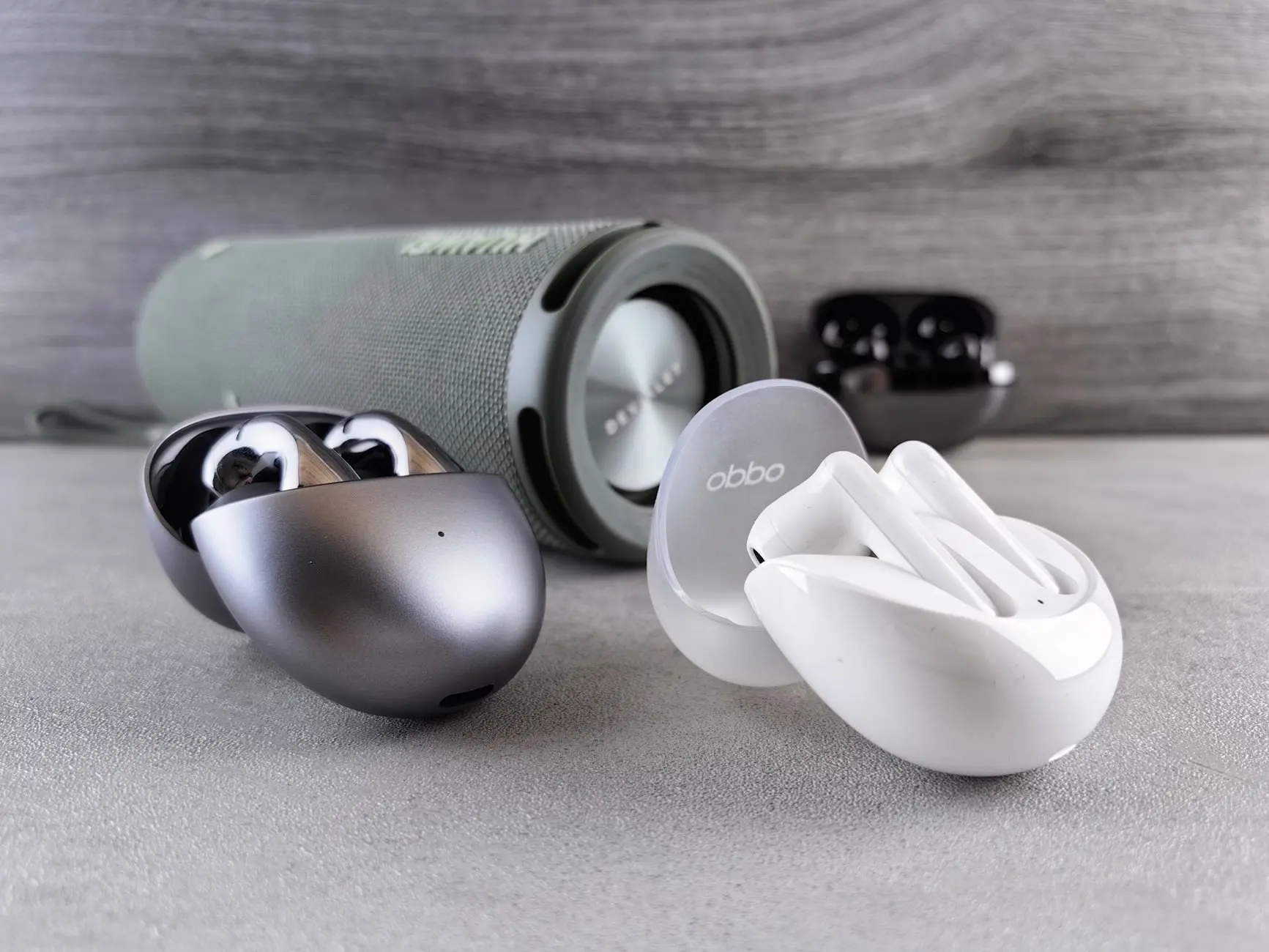
Choosing between over-ear headphones, earbuds and a speaker gets easier once you know where you listen. How to choose headphones then comes down to documented specs: codec support, battery life, noise control and IP rating.
Quick answer: commuters should start with noise control, runners with sweat resistance and fit, desk workers with microphones, outdoor listeners with a stated IP rating, and living-room viewers with a soundbar. Each route below ends with the spec worth checking before you buy.
Start with your listening route
Most buying mistakes come from choosing a product type before choosing a situation. A pair that suits a quiet desk can be a poor fit on a train, and a speaker that suits a living room may not survive a beach bag. Pick the route closest to your day, then read the matching section.
- Commuting and travel. Noise control and battery life matter most, so go to the sections on noise control and on earbuds and battery.
- Running and the gym. Sweat resistance and a secure fit come first, covered under on-ear and in-ear designs.
- Calls and desk work. Microphone count and comfort over long sessions decide the choice, covered under over-ear designs.
- Outdoor and shared listening. A speaker with a stated IP rating, battery figure and codec list is the shortlist, covered under portable speakers.
- Living room and vinyl. A soundbar or a pair of bookshelf speakers is the decision, covered under home audio.
This guide leans on checkable specifications rather than adjectives. Words such as warm, punchy or airy cannot be verified on a spec sheet, while a Bluetooth codec, an impedance figure, a battery claim or an IP rating can be compared across products. That is the filter applied in every section below.
Headphone designs: over-ear, on-ear and in-ear
The design decides fit, battery capacity, microphone count and how well the product isolates sound, so it is the first real fork in the road. Readers weighing the formats head to head can use the dedicated earbuds vs headphones comparison. Those on a tight budget can apply the same spec checks to best budget headphones.
Over-ear headphones
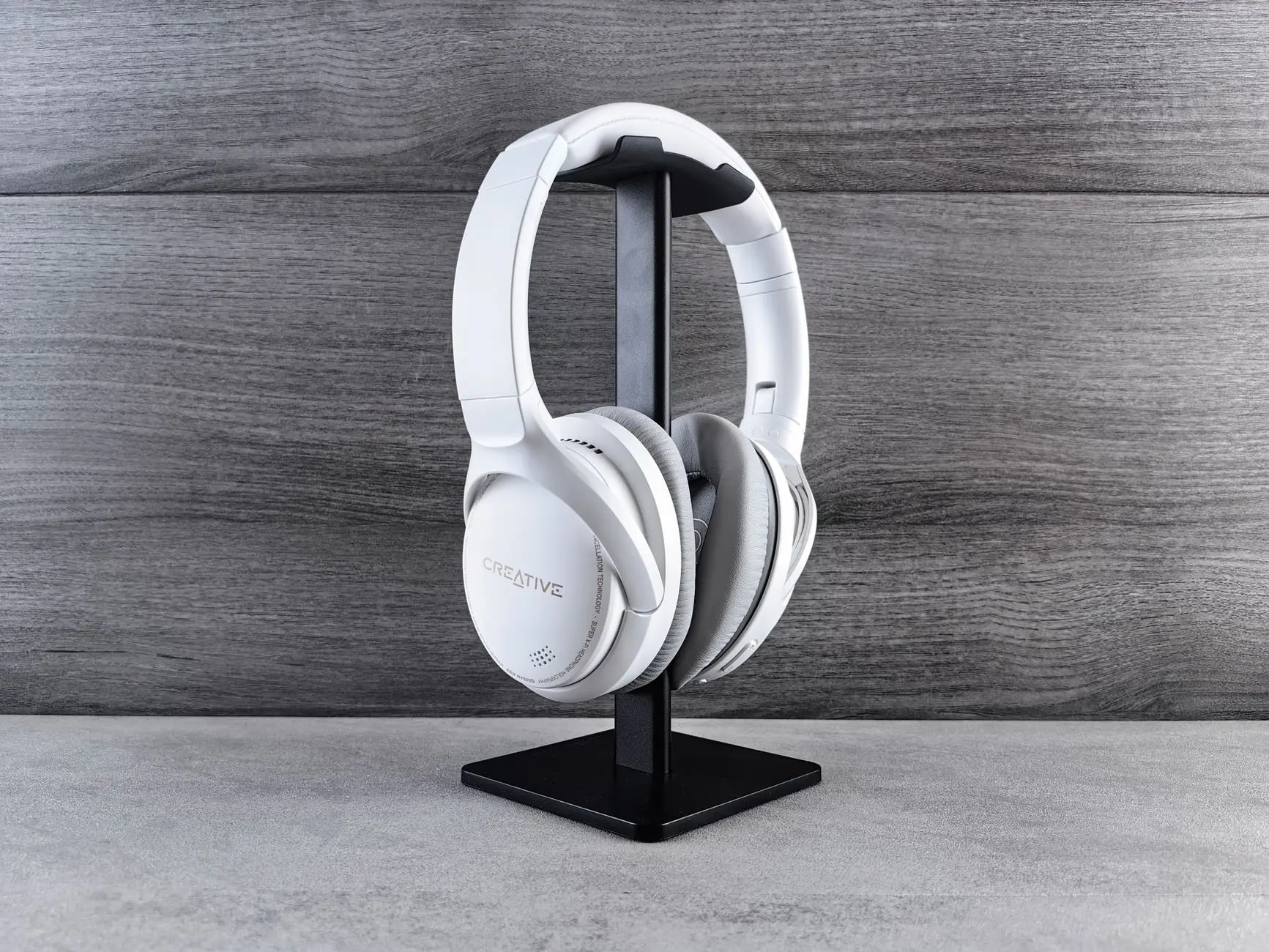
Sonos describes over-ear headphones as distinguished by large cups that form a snug seal over the entire ear. That seal is the practical reason this design suits long sessions at a desk, on a flight or at home: the cups do much of the isolating before any electronics get involved.
The same source notes that the larger profile of over-ear and on-ear models can fit multiple microphones, which makes them a better bet than in-ear models for calls. For anyone who spends part of the day in meetings, that is a more useful reason to choose over-ear than any claim about sound character. Gamers who talk as much as they listen can narrow the field further through best gaming headset picks, since voice quality is the same concern.
Over-ear is the format to choose when comfort over hours, call quality and battery capacity outrank portability. It is the format to skip when the headphones must fit in a jacket pocket or stay put during hard exercise. A shortlist of best over-ear headphones is the natural next step for this route.
On-ear and sweat-resistant designs
On-ear headphones rest on the ear rather than around it. Sonos gives one concrete example of when the design makes sense: a pair of sweat-resistant on-ear headphones for winter morning runs. The lesson is to match the design to the activity and then look for a stated sweat or water resistance on the spec sheet, instead of assuming any wireless pair will cope with exercise. Runners comparing specific models can continue with best running headphones.
Listening while staying aware
Some buyers do not want their ears sealed at all. Noise-isolating designs block the surroundings by their nature, so people who run on roads or work in shared spaces may prefer an open-ear approach. Best bone conduction headphones covers that alternative.
Wireless earbuds and battery life
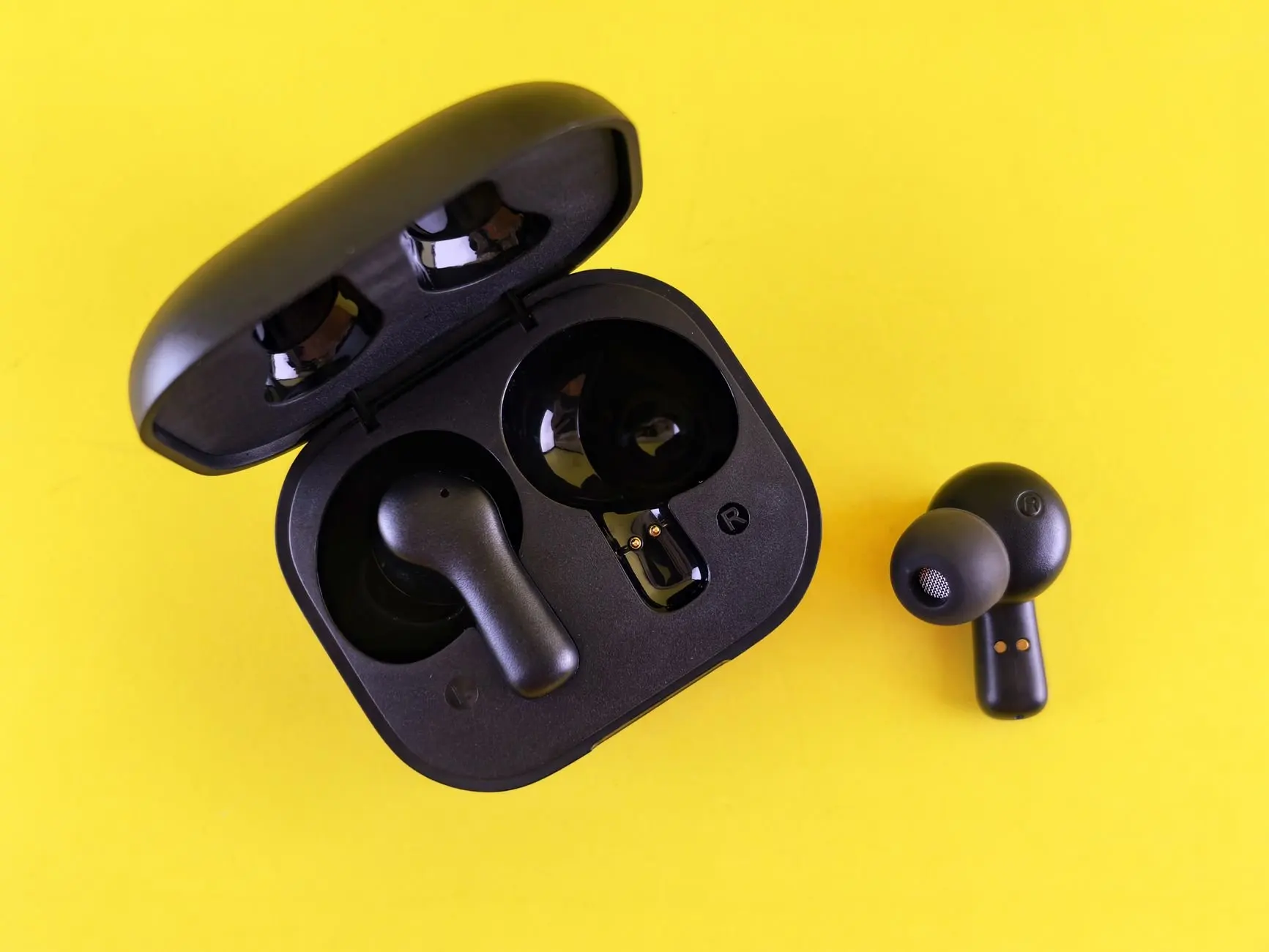
Wireless earbuds are the compact choice, and the in-ear style is built around a highly sealed, compact design, according to one earbud buying guide, which calls in-ear styles the mainstay of true wireless today. The choice that matters most is therefore fit, then battery, then codec.
Fit comes before features
A sealed in-ear design only works when the tips actually seal in your ear. That affects bass, isolation and how secure the earbuds feel when you move. People with smaller ears should start with a shortlist built for them, such as best earbuds for small ears, rather than trusting a one-size-fits-most claim. For broader model comparisons, the best wireless earbuds list covers current options.
Anyone who wants earbuds for lying down has a different fit problem, because a bulky stem against a pillow is a comfort issue before it is an audio one. Best sleep headphones deals with that use case. Because earbuds sit in the ear canal, regular upkeep also matters, and how to clean earbuds explains the routine.
Reading battery claims
Sonos notes that over-ear headphones tend to hold a longer charge than in-ear headphones because they can accommodate larger batteries. That is a structural reason, not a model-by-model promise, and it points to a simple rule: if all-day or long-haul playback is the priority, over-ear designs start with an advantage, and earbud buyers should check the stated figure closely.
For a documented example, Sonos states that its Ace Ultra headphones provide up to 35 hours of continuous playback with Active Noise Cancellation enabled, and that fast charging gives up to three hours of additional battery life in three minutes. Treat both as manufacturer ceilings for one model, not typical results. The useful habit is to note the condition attached to the figure: this one is quoted with noise cancellation switched on, which is the more demanding setting. A battery number without its condition is hard to compare.
Noise control: active, passive and fit
Noise control comes in two forms that work in different ways, and knowing which one a product relies on explains why two pairs with the same label can feel very different on a train.
How active noise cancellation works
Sonos describes Active Noise Cancellation as a more technological solution involving tiny built-in microphones and a speaker. The microphones pick up noise from the environment, and the speaker uses that input to generate oppositional sound waves. Because the system needs microphones, a speaker and power, ANC adds to the electronics in the product and draws on its battery. That is why the battery figure for an ANC model should always be read alongside whether ANC was on when it was measured. For a fuller explanation, how does noise cancelling work goes deeper, and best noise cancelling headphones compares specific models.
Passive isolation
Sonos explains that passive noise cancellation comes down to sound-proof materials and a snug fit. This is the part you control: ear cushions that seal around the ear, or ear tips that seal in the canal, do work that no software can replace. A pair with strong ANC and a poor seal will underperform, so try for a good fit before judging the electronics.
The practical split is simple. Choose ANC when your main noise problem is steady background sound on transport or in an office. Choose a well-sealing passive design when you want isolation without extra battery drain or when the product is mainly for exercise.
Bluetooth codecs and bit rates
A Bluetooth codec is the format used to compress audio for the wireless link. It sets a ceiling on how much audio data is sent and adds a delay, so it is one of the few wireless-audio specs that can be compared in numbers. The table gathers the documented points for the codecs people ask about most.
| Codec | What is documented | Planning use |
|---|---|---|
| SBC | Mandatory encoding format supported by all headphones; maximum bit rate 328 kbps; delay of 200+ ms | The dependable baseline. The delay makes it a weaker match for video and games where lip-sync matters. |
| AAC | Listed with aptX and LDAC among the codec support worth prioritising on portable speakers | Confirm it appears on the spec sheet of the product you are considering. |
| aptX | Listed with AAC and LDAC among the codec support worth prioritising on portable speakers | Confirm it appears on the spec sheet, as with AAC. |
| aptX-HD, LDAC and HWA | Named as the three recognised high-quality decoding technologies | Worth seeking when audio fidelity over Bluetooth is a priority and the product supports one of them. |
Figures and codec names come from an earbud buying guide and an audio accessory buying guide.
SBC, AAC and aptX in practice
The difference between SBC, AAC and aptX starts with who must support them. SBC is the mandatory format, so every Bluetooth headphone can fall back on it. The others are extras that appear on a spec sheet only when the manufacturer includes them. The same buying guide says that, generally, a bit rate that reaches 320 kbps is considered qualified, and it names aptX-HD, LDAC and HWA as the three recognised high-quality technologies. Treat that threshold as one guide’s rule of thumb, not a universal standard.
The decision is therefore less about memorising codecs and more about matching lists. If your phone and your headphones both list the same higher-tier codec, you can use it. If they do not, expect SBC. For casual listening in a noisy place, that gap is unlikely to decide a purchase. For video, the 200+ ms delay quoted for SBC is a better reason to look for a codec with lower latency or a product with a wired option.
Lossless and wired options
Some premium models go further. Sonos states that its Ace Ultra offers lossless audio streaming over Bluetooth, and a spec sheet claim like that is worth reading closely to see which phone features are needed to use it.
Impedance, drivers and other spec-sheet numbers
Headphone impedance, measured in ohms, describes how hard the headphones are to drive. Sonos says that, in general, anything under 25-30 ohms shouldn’t present a problem in most cases. For most buyers of consumer headphones, that makes impedance a filter rather than a feature: stay in that range and the question goes away.
Above that range, it is worth checking the manufacturer’s recommendations and the device you plan to connect before you buy. People shopping for monitoring work may meet higher figures as a matter of course, and best studio headphones covers how that changes the selection.
A driver is the speaker element inside each ear cup or earbud that converts the signal into sound. The word is the same one that applies to the speaker inside an ANC system, which is why more electronics means more to power. Driver descriptions on a product page are useful for identifying the design, but they do not replace the checkable numbers: impedance, battery, codec and the water or sweat rating. If a spec sheet leads with driver language and omits those figures, ask for them before comparing.
In short, good headphone specs are the ones with a stated number, a unit and a condition. A claim such as long battery life becomes useful once it says how long and with ANC on or off. A claim of water resistance becomes useful once it names a rating.
Portable Bluetooth speakers and IP ratings
A portable speaker is judged on a short list of specs. According to one audio accessory guide, battery life, IP water resistance and codec support (aptX, AAC, LDAC) are the three specs worth prioritising. That framing is helpful because it replaces a long, noisy feature comparison with questions that have answers on the box.
Which Bluetooth speaker is waterproof?
Look for the IP rating rather than the word waterproof. An IP rating is the standardised mark for ingress protection, and a speaker with a stated rating has a documented level of water resistance, whereas a marketing line does not. Check that the listed rating covers the conditions you expect, such as splashes by a pool or a rain shower, and read the manufacturer’s notes on what the rating does and does not cover. Models are compared in best bluetooth speakers.

Picking by use
For a small gathering or travel, a compact speaker with a clear IP rating and a battery figure that states its conditions is the sensible shortlist. If the goal is filling a larger space at a party, best party speaker looks at larger models. If the speaker will mostly stay indoors and connect to music apps around the house, best wireless speakers for home is the better route.
Home audio: soundbars, bookshelf speakers and turntables
Home audio shifts the decision from personal listening to the room. The question stops being what suits your ears and becomes what suits the TV, the shelf and the source.
Soundbars for TV
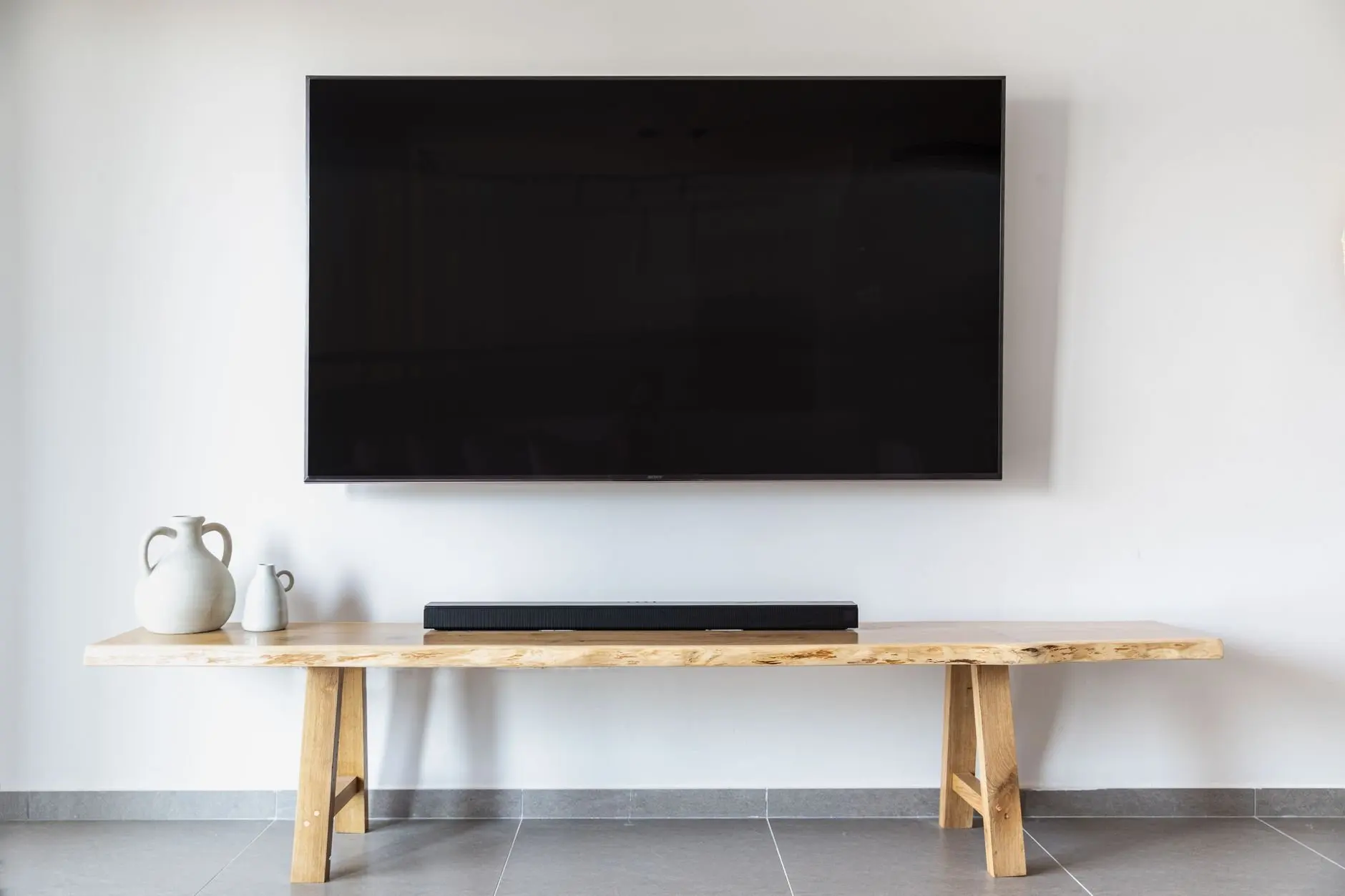
A soundbar is the simplest upgrade for TV sound because it sits beneath the screen and replaces the built-in speakers with one unit. It suits people who watch more than they listen to music and who want fewer cables than a component system. Compare specific models in best soundbar.
Bookshelf speakers
Bookshelf and desktop speakers suit listeners who want stereo sound in a smaller room or on a desk and are happy to give them shelf space. They reward some placement thought, and the best bookshelf speakers guide covers the options.

Turntable setups
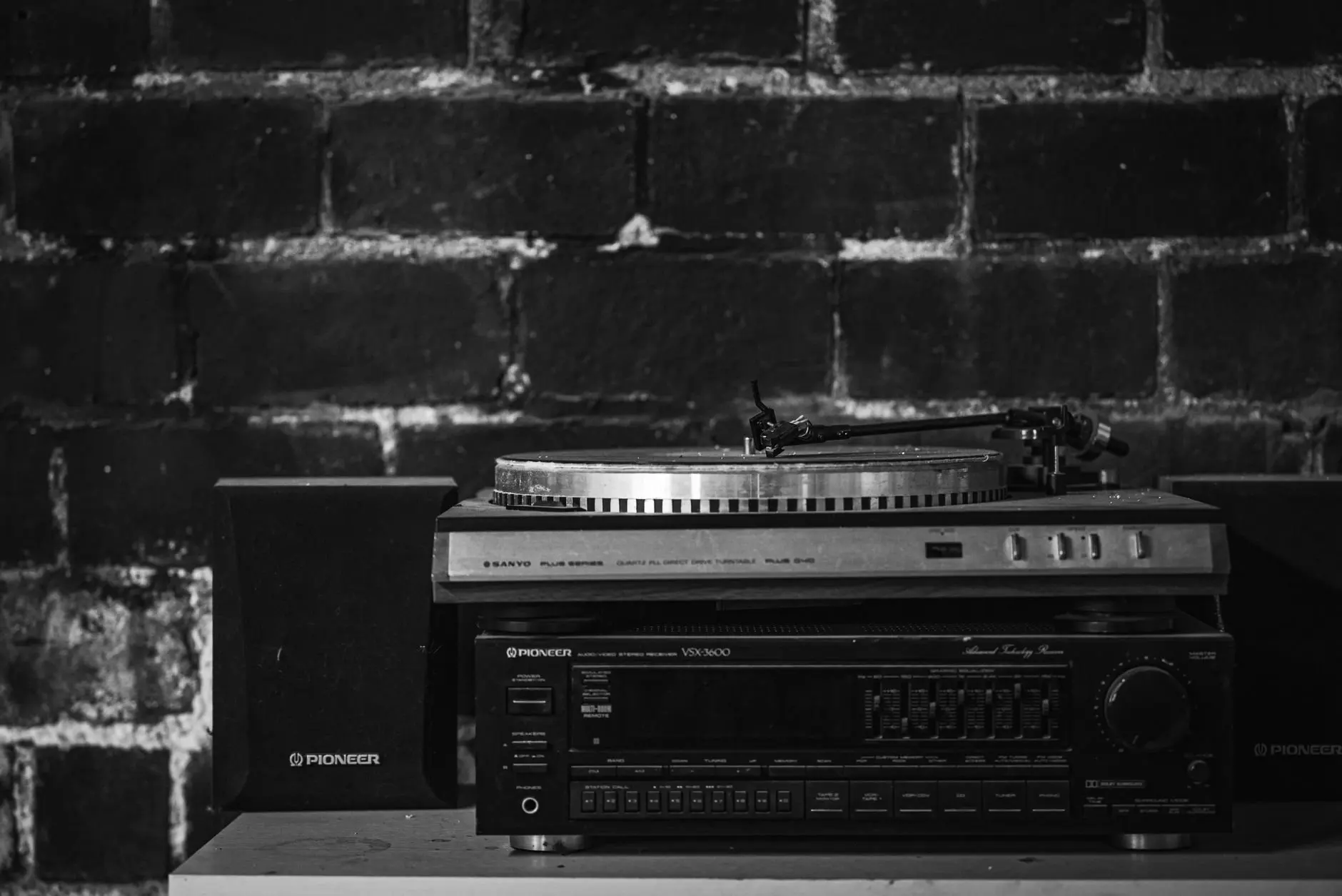
Vinyl listeners have one more question: whether the turntable connects to powered speakers or to a separate receiver. The separate-component route gives more flexibility to upgrade piece by piece, while powered speakers keep the setup compact. Pairing advice is in best speakers for turntable.
Frequently asked questions
| Question | Answer |
|---|---|
| Is transparency mode the same as noise cancelling? | No. Sonos notes that some headphones also feature transparent or ambient noise modes, which let outside sound in. Noise cancelling does the opposite, so the two are separate features that can sit on the same product. |
| Can wireless headphones also be used with a cable? | Some can. Sonos says its Ace Ultra offers an optional wired connection alongside Bluetooth, so check the spec sheet for a wired option if you want a backup. |
| Are true wireless earbuds the mainstream choice? | For casual listeners, yes. One audio accessory guide says wireless earphones, particularly TWS models, dominate casual consumer segments. |
| Can headphones recharge quickly? | Some can. Sonos says the fast charging on its Ace Ultra gives up to three hours of additional battery life in three minutes, which is a model-specific claim to verify on any product you consider. |